
Jeremy Moore
Who Was Major General Jeremy Moore and How Did He Accept the Argentine Surrender?
Major General Sir Jeremy Moore was a distinguished Royal Marine officer who served as the commander of British land forces during the 1982 Falklands War. A veteran of multiple conflicts, including the Malayan Emergency, he provided critical leadership during the final stages of the Falklands campaign. On June 14, 1982, he accepted the formal surrender of Argentine forces in Stanley, effectively ending the conflict and securing the islands for the United Kingdom.
Quick Facts
Awards
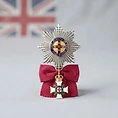
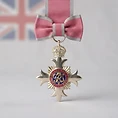
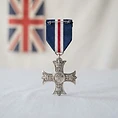
Who Was Jeremy Moore?
Major General Sir John Jeremy Moore was a highly decorated senior officer in the Royal Marines, known for his calm leadership and extensive experience in colonial and international conflicts. Throughout his long career, he earned a reputation as a formidable commander, culminating in his role as the head of British land forces during the Falklands War.
Early Life
Born on July 5, 1928, Jeremy Moore came from a family with a strong military tradition. His father was a Lieutenant Colonel, and his grandfather had served in the York and Lancaster Regiment, establishing a legacy of service that Moore would continue throughout his life.
Before the Event
Before the Falklands War, Moore served in various high-stakes environments, including the Malayan Emergency and the Indonesia–Malaysia confrontation. He earned the Military Cross for his service in Malaya and a Bar to the Military Cross for his leadership during a hostage rescue operation at Limbang in 1962. By 1979, he had been promoted to Major General and took command of all Royal Marine commando forces.
What Happened
In 1982, Moore was appointed commander of British land forces for the Falklands campaign. After the 3 Commando Brigade landed on the islands in May, Moore oversaw the tactical progression toward the capital, Stanley. His leadership was instrumental in the final push against Argentine positions at Mount Tumbledown, Wireless Ridge, and Sapper Hill.
Defining Moment
The defining moment of his career occurred on June 14, 1982, when he accepted the formal surrender of the Argentine garrison commander, General Mario Menéndez, in Stanley. This act effectively concluded the hostilities of the Falklands War.
Aftermath
Following the war, Moore continued his service until his retirement in 1983. He was knighted for his contributions and remained a respected figure in military circles until his death in 2007.
Later Life
In his later years, Moore lived quietly, though he remained a prominent voice regarding the complexities of the Falklands conflict, famously describing the campaign as a 'very close-run thing.' He passed away on September 15, 2007, at the age of 79.
Why It Matters
Moore's leadership is significant for his ability to manage a complex, long-distance amphibious operation under difficult conditions. His career serves as a testament to the professional standards of the Royal Marines during the late 20th century.
Major General Sir Jeremy Moore was a decorated Royal Marine who commanded British land forces during the 1982 Falklands War. A veteran of multiple conflicts, he led the final push to liberate the islands and accepted the formal surrender of Argentine forces in Stanley, marking the end of the war.
Frequently Asked Questions About Jeremy Moore
1What was Jeremy Moore's role in the Falklands War?+
2Did Jeremy Moore receive any military awards?+
3When did the Falklands War end for Jeremy Moore?+
4What other conflicts did Jeremy Moore serve in?+
5What did Jeremy Moore say about the Falklands War?+
Historical Sources
- [T2] Royal Marines History — "Major General Sir John Jeremy Moore" (https://www.royalmarineshistory.com/post/major-general-sir-john-jeremy-moore), accessed 2026-09-29
- [T3] The Guardian — "Major General Sir Jeremy Moore" (https://www.theguardian.com/news/2007/sep/18/guardianobituaries.military), accessed 2026-09-29
- [T2] Commando Veterans Association — "MOORE, John Jeremy" (https://www.commandoveterans.org/JohnJeremyMooreRM), accessed 2026-09-29
Related Veteran Stories

Ian McKay
How Did Sergeant Ian McKay Earn the Victoria Cross at Mount Longdon?
Sergeant Ian McKay was a British paratrooper who earned a posthumous Victoria Cross for leading a heroic charge against enemy machine gun positions during the Falklands War.


Alfredo Astiz
Who Was Alfredo Astiz and What Was His Role in the Falklands War?
Alfredo Astiz was an Argentine naval officer who led a commando unit during the 1982 invasion of South Georgia before surrendering to British forces.

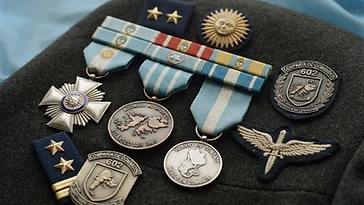
Rubén Eduardo Márquez
Who Was Rubén Eduardo Márquez and What Happened at Top Malo House?
First Lieutenant Rubén Eduardo Márquez was an Argentine commando who died defending Top Malo House against British forces during the Falklands War.
Related War Stories


What Happened During Operation Sutton in the Falklands War?
On 21 May 1982 British troops stormed ashore at San Carlos Water in the Falklands, seizing the beachhead that began the land campaign to win back the islands.

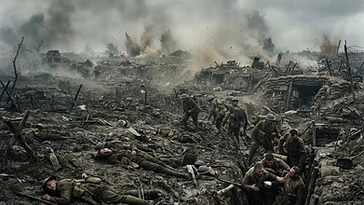
What Was the Disaster at Boar's Head in World War I?
The Boar's Head attack on June 30, 1916, was a failed diversion by the Sussex Regiment, resulting in heavy losses and becoming known as 'The Day Sussex Died'.

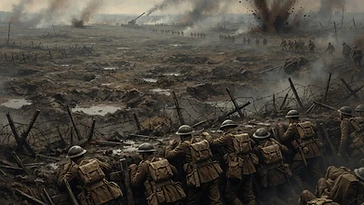
Why Was the Battle of the Somme One of the Worst Battles Ever?
The Battle of the Somme (1916) in WWI resulted in over a million casualties and nearly 60,000 British losses on its first day, symbolizing the war's immense cost with little gained.
Related Library Entries
42 Commando is a unit of highly skilled soldiers. They are part of the Royal Marines and perform many special tasks for the military.
This is a group of elite soldiers from the United Kingdom. They are specially trained to fight in many different types of environments.

Explore More Veteran Stories
Real Stories. Real History. Never Forgotten.
Explore More Veteran StoriesShare this story
Help Google know you want to see more military history from 10 Second War Stories in your search experience.