
How Did 30,000 Soldiers Survive the Battle of Chosin Reservoir?
Soldiers at the Chosin Reservoir were trapped in deep winter by a huge enemy army. To survive, they fought their way out of the mountains and marched to the coast. Through sheer grit and help from planes, they broke through the lines and made it to safety.
Quick Facts
- Temperatures fell to 30 degrees below zero.
- The soldiers were surrounded by 100,000 men.
- They had to march over mountains.
- It was one of the coldest battles in history.
- Many lives were saved by air drops.
Countries Involved
Historical Context
The Korean War began in the summer of 1950 when North Korean troops crossed the border. United Nations forces pushed back hard to capture North Korean territory. By November 1950, American troops were deep in the frozen mountains near the border of China. The leaders believed the war would be over by the Christmas holiday. They did not expect that tens of thousands of Chinese soldiers had already entered the fight. These soldiers were hidden in the hills and waiting for a chance to strike. The UN forces were stretched thin across a very large and dangerous area. Supplies were hard to bring in through the rough and snowy mountain roads.
What Happened?
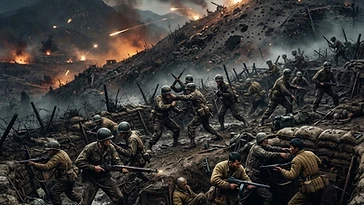
In late November 1950, the Chinese army launched a surprise attack against the UN forces at the Chosin Reservoir. The weather became extremely cold as temperatures dropped far below zero degrees. The soldiers found that their weapons would often jam in the freezing air. Batteries for radios and trucks stopped working because of the intense frost. The UN soldiers were quickly surrounded by a much larger enemy force. They were cut off from their main supply lines and help. The marines and soldiers fought in a long line to break through the enemy circles. They spent several days marching through heavy snow and bitter wind. Many men suffered from terrible frostbite on their hands and feet. Despite the heavy fighting, the soldiers stayed together and protected their wounded friends. They finally reached the coastal port city of Hungnam after a difficult journey. A massive fleet of ships was waiting there to help them escape. They safely boarded the vessels and headed back toward safety. This difficult retreat kept the group from being totally destroyed by the enemy.
Why Did It Matter?
This event showed the incredible toughness of the Marines and other soldiers. It also allowed them to continue fighting the war later.
Forces and Units Involved
Frequently Asked Questions
1How cold did the weather get for the soldiers fighting at Chosin Reservoir?
2How many United Nations soldiers were trapped near the reservoir area?
3Did the soldiers have to fight during the dark nighttime hours too?
4How did the troops get food while they were trapped by the enemy?
5Were the trapped soldiers defeated by the surrounding enemy forces?
6How long did the march through the snow last for the surviving soldiers?
7What is a reservoir and why was it the site of such a major battle?
8Was being trapped in the mountain valley part of an enemy plan?
9Could the soldiers use tanks to help them during the winter fighting?
10Are the battle survivors known as the Chosin Few today?
Historical Sources
In November 1950, thousands of UN troops found themselves surrounded by a massive Chinese force in the frozen mountains of North Korea. The Battle of Chosin Reservoir was fought in brutal cold. Temperatures dropped to 30 below zero. The Marines fought their way south to the sea and escaped.
Related Stories


What Was Operation Chromite's Feint at Kunsan?
Operation Decoy used a fake landing to confuse the enemy during the Korean War, ensuring a successful surprise invasion elsewhere.


How Did the Battle of Inchon Change the Korean War?
The 1950 Battle of Inchon saw UN forces execute a brilliant surprise amphibious landing, recapturing Seoul and completely changing the outcome of the Korean War.

What Happened at the Battle of Pork Chop Hill?
Pork Chop Hill was a brutal and costly battle fought for a piece of land that held little tactical value during the final months of the Korean War.
Share this story
Help Google know you want to see more military history from 10 Second War Stories in your search experience.