
History
The Imperial Japanese Navy was built to be a strong force in the Pacific Ocean. By the start of the 1900s, it had grown into a massive fleet with many aircraft carriers and battleships. It played a major role in expanding Japan's influence across Asia. In 1941, the navy launched a surprise attack on the American base at Pearl Harbor. This brought the United States into World War II. For the next few years, the Japanese navy fought the Allies in many big island battles. However, the United States eventually built a larger and more modern fleet. Japan lost most of its carriers and ships in major battles throughout the Pacific. After the war ended in 1945, the Imperial Japanese Navy was completely dissolved. Japan created a new, smaller maritime force for self-defense purposes that is still active today.
Frequently Asked Questions
Notable Operations
Conflicts
Related Stories
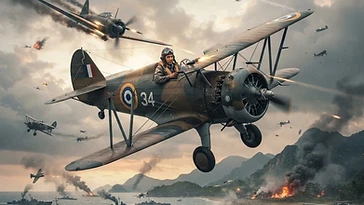
How Did Thai Airmen Fight Japan's Invasion in World War II?
Thai airmen heroically defended their skies against a massive Japanese invasion in 1941 using older aircraft.

What Happened at the Battle of Rabaul in 1942?
In 1942, Japanese forces invaded Rabaul, forcing the surrender of the Australian garrison stationed there to protect the island's harbor.

How Did a Warship Hide as an Island in World War II?
Discover how a Dutch minesweeper used clever camouflage to look like an island and escape enemy capture during the Pacific War.